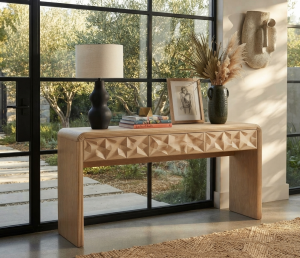

Custom Furniture Benefits
In an era of mass-produced, disposable furniture, custom-made pieces are often dismissed as a luxury. However, the true value of bespoke furniture lies far beyond its visual appeal. From unmatched durability to tailored functionality, custom furniture transforms living spaces into long-term investments. Let’s explore why prioritizing quality over quantity pays off—and how custom designs can elevate your home and lifestyle.
Quality & Durability: Built to Last Generations
Unlike flat-pack furniture designed for short-term use, custom pieces are crafted with premium materials and meticulous attention to detail. Artisans use solid hardwoods, reinforced joints, and non-toxic finishes to ensure longevity. For example, a handcrafted oak dining table can withstand decades of family gatherings, while particleboard alternatives often warp or crack within years.
According to a 2023 Furniture Industry Report, 78% of custom furniture owners reported their pieces lasting over 15 years—compared to just 5 years for mass-produced items. This durability reduces replacement costs and environmental waste, making custom furniture a sustainable choice.

Space Optimization: Furniture That Fits Perfectly
Custom furniture solves spatial challenges that off-the-shelf options can’t. Whether it’s an awkwardly shaped corner, a low-ceilinged attic, or a compact studio apartment, bespoke designs maximize every inch.
- Case Study: A New York City couple transformed their 600 sq. ft. apartment with a custom Murphy bed-desk hybrid, saving space without sacrificing style.
- Expert Tip: Work with designers to incorporate hidden storage, foldable elements, or multi-functional features tailored to your lifestyle.
Sustainability: Reducing Waste, Supporting Craftsmanship
Fast furniture contributes to 12 million tons of landfill waste annually in the U.S. alone (EPA Report). Custom furniture combats this trend through:
- Local Sourcing: Using reclaimed wood or regionally harvested materials.
- Low-Waste Production: Precise measurements minimize material excess.
- Ethical Labor: Supporting small workshops over exploitative factories.
By investing in timeless designs, you also curb the cycle of “buy-and-discard” consumerism.

Health & Safety: Non-Toxic, Allergy-Friendly Designs
Mass-produced furniture often contains formaldehyde, volatile organic compounds (VOCs), and synthetic adhesives linked to respiratory issues. Custom makers prioritize:
- Natural Finishes: Water-based stains, organic oils, or beeswax.
- Hypoallergenic Upholstery: Organic cotton, hemp, or OEKO-TEX certified fabrics.
- Ventilation-Friendly Designs: Avoiding particleboard that traps mold or dust.
This makes custom furniture ideal for families with allergies, young children, or eco-conscious values.
Conclusion: The Long-Term Value of Custom Furniture
While custom furniture requires a higher upfront cost, its benefits—durability, perfect functionality, sustainability, and health safety—deliver returns for decades. Instead of buying temporary fixes, invest in pieces that reflect your personality, values, and practical needs. As interior designer Marie Dubois notes, “A well-crafted custom sofa isn’t just furniture; it’s a legacy.”