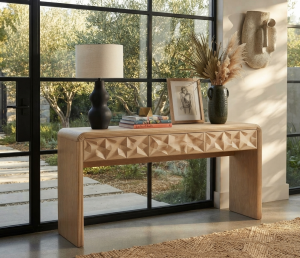
In modern interior design, custom shelves have become more than just storage solutions—they are statements of personal style and craftsmanship. Whether you’re furnishing a minimalist apartment, a cozy café, or a large retail store, the right custom shelving can dramatically enhance the look, feel, and efficiency of your space. This guide will walk you through everything you need to know about custom shelves—from materials and styles to design ideas and choosing the right manufacturer.

1. Why Choose Custom Shelves Over Ready-Made Ones?
While ready-made shelves are widely available and affordable, they often fail to meet the unique needs of specific spaces. Custom shelves, on the other hand, offer unmatched flexibility in dimensions, materials, and design.
Here’s why homeowners, designers, and businesses are increasingly choosing custom options:
Perfect Fit: Tailor-made shelves maximize your available space—whether you have an oddly shaped corner or an open wall.
Personalized Style: Choose the exact color, finish, and material that complements your interior theme.
Better Quality: Custom shelves are often handcrafted with superior materials, ensuring durability and long-lasting performance.
Optimized Functionality: You can design storage based on your lifestyle—be it a display rack for books, plants, or collectibles.
Increased Property Value: Well-designed shelving adds visual appeal and functionality, which can raise the value of your home or business.
2. Popular Materials for Custom Shelving
One of the biggest advantages of custom shelving is the freedom to choose your material. Each option comes with distinct aesthetics and benefits.
a. Solid Wood
Timeless, elegant, and sturdy—solid wood shelves bring warmth and natural beauty to any interior. Popular choices include oak, walnut, and pine. They are ideal for living rooms, libraries, and rustic-style spaces.
b. Plywood and MDF
For budget-conscious buyers, plywood or MDF is a practical alternative. When finished with veneer or paint, they can achieve the same look as natural wood at a lower cost.
c. Metal
Metal shelves offer a sleek, industrial feel and are highly durable. They’re often used in loft apartments, offices, and retail displays for their modern aesthetic.
d. Glass
If you’re aiming for a light and airy atmosphere, glass shelves are perfect for displaying collectibles, cosmetics, or retail items. They reflect light beautifully and pair well with metal brackets.
e. Mixed Materials
Combining wood and metal or glass and wood can create a balanced look—warm yet modern. Mixed-material shelves are increasingly popular in boutique stores and contemporary homes.
3. Types of Custom Shelves
Understanding the various types of custom shelves helps you plan your space more effectively.
Floating Shelves: Sleek and modern, floating shelves hide their mounting brackets, creating a clean “floating” look.
Corner Shelves: Perfect for small rooms, these make use of wasted corner spaces.
Built-In Shelves: Ideal for maximizing space and creating a cohesive, architectural look.
Adjustable Shelves: These allow flexible spacing for books, decorations, or electronics.
Display Racks: Designed for showcasing products or artwork in homes, galleries, or shops.
Ladder Shelves: Stylish and versatile, ladder-style units add a decorative touch to any room.
4. Custom Shelf Design Ideas for Every Space
Let’s explore some inspiring ways to integrate custom shelving into different areas of your home or office.
Living Room
Built-in wall shelves surrounding a TV or fireplace can create a luxurious, high-end look. Add accent lighting or mix open shelves with cabinets for a cleaner design.
Bedroom
Floating bedside shelves are a minimalist alternative to nightstands. Built-in wall units can display books, art, and personal items while saving floor space.
Kitchen
Custom kitchen shelves help you combine aesthetics and function—open wooden shelves for dishes, glass jars, or spices create a cozy farmhouse vibe.
Bathroom
Slim, water-resistant shelves are ideal for storing toiletries, towels, or decorative plants. Choose treated wood or metal for durability in humid conditions.
Office or Study
Wall-mounted custom shelving units can organize books, documents, and décor. Combine closed storage for files with open shelves for display.
Retail or Commercial Spaces
For stores and cafés, custom shelving enhances branding and presentation. You can match shelf colors and materials to your logo or interior concept for a unified brand image.

5. How to Plan Your Custom Shelf Project
Before contacting a manufacturer or carpenter, consider these planning steps:
Measure Your Space: Take accurate dimensions, including wall height, depth, and any obstructions (switches, vents, windows).
Define Your Purpose: Is it decorative, functional, or both? The purpose determines the shelf strength, spacing, and design.
Choose Materials and Finish: Align them with your overall interior design style—modern, rustic, Scandinavian, or industrial.
Decide on Installation Type: Wall-mounted, freestanding, or built-in?
Sketch or Visualize Your Design: A quick sketch helps communicate your ideas clearly to the manufacturer.
Set a Budget: Include material costs, labor, and installation fees. Remember—custom doesn’t always mean expensive if planned smartly.
6. Working with a Custom Shelf Manufacturer
Partnering with a professional custom shelf manufacturer ensures your project is handled with precision and quality. Here’s what to look for:
Experience and Portfolio: Check past projects to assess craftsmanship and design versatility.
Material Options: A good manufacturer should offer multiple wood, metal, and finish selections.
Customization Support: Some manufacturers offer design consultations and 3D renderings before production.
OEM/ODM Capability: For business clients, OEM services allow branding and bulk production flexibility.
Quality Control: Look for factories with clear inspection processes and certifications like ISO9001.
Global Shipping and Packaging: For international buyers, strong packaging and reliable logistics are key to safe delivery.
If you’re sourcing overseas, choosing a China-based custom shelf factory can offer cost advantages and skilled production capabilities. Many Chinese manufacturers provide flexible MOQ, full design customization, and export experience for global projects.

7. Maintenance and Care Tips
Once your shelves are installed, keeping them in top condition is easy with regular care:
Dust Regularly: Use a soft cloth or duster to prevent buildup.
Avoid Excess Weight: Follow the manufacturer’s load-bearing guidelines.
Clean with Appropriate Products: For wood, use gentle polish; for metal or glass, mild detergent works best.
Check for Loosened Brackets: Tighten screws or mounts periodically to maintain stability.
Avoid Moisture: Especially for wooden shelves, keep them away from prolonged humidity exposure.
8. Sustainability in Custom Shelving
Eco-conscious design is becoming a top priority for modern homeowners. Choose sustainable materials such as reclaimed wood or bamboo and low-VOC finishes. Manufacturers that use FSC-certified wood also ensure environmentally responsible sourcing. Not only does this reduce your carbon footprint, but it also adds value to your interior story—beauty with a conscience.
Conclusion
Custom shelves are more than storage—they’re an extension of your creativity and lifestyle. From floating minimalist designs to bold built-in wall systems, these personalized solutions can elevate any space with elegance and purpose. Whether you’re decorating a cozy home or outfitting a modern showroom, investing in custom shelving ensures a perfect blend of function, style, and long-term durability.