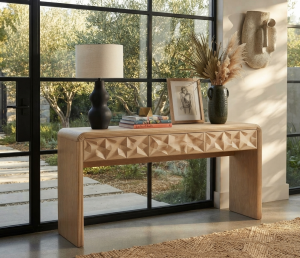
The furniture industry has always been at the forefront of design, but in recent years, there has been a significant shift towards innovation and sustainability. With more businesses and consumers looking for furniture that is not only functional and aesthetically pleasing but also eco-friendly and technologically advanced, the materials used in custom furniture are evolving rapidly.
As we approach 2025, the landscape of custom furniture materials is set to undergo significant changes. New materials, innovative production techniques, and sustainable practices are driving these shifts, offering businesses and consumers alike exciting possibilities. In this blog, we will explore the key custom furniture materials trends and innovations that will define the industry in 2025 and beyond, focusing on eco-friendly options, smart technologies, and the future of design.

1. Sustainable Materials: The New Standard in Custom Furniture
a. The Rise of Eco-Friendly Materials
Sustainability is no longer just a buzzword—it’s becoming a fundamental aspect of furniture design and production. In 2025, eco-friendly materials are expected to dominate the custom furniture market, driven by growing consumer awareness and stricter environmental regulations. Businesses are increasingly prioritizing sustainable sourcing and materials that minimize environmental impact.
Some of the most popular eco-friendly materials for custom furniture include:
Reclaimed Wood: Recycled and repurposed wood from old buildings, barns, and other structures is gaining popularity in the production of custom furniture. Not only does reclaimed wood provide a unique, rustic charm, but it also helps reduce the need for new logging, making it a sustainable choice.
Bamboo: As a highly renewable resource, bamboo is an excellent material for custom furniture. Its fast growth rate and durability make it an ideal option for eco-conscious consumers and businesses looking for sustainable alternatives to traditional wood.
Recycled Plastic: Custom furniture manufacturers are increasingly incorporating recycled plastics into their designs, especially in the production of chairs, tables, and shelving units. These materials are not only sustainable but also versatile, as they can be molded into various shapes and finishes.
Natural Fabrics: Upholstery is an essential part of custom furniture, and natural, organic fabrics are becoming the go-to choice. Materials like organic cotton, hemp, and linen offer both comfort and sustainability, while also being biodegradable.
Why Choose Sustainable Materials?
Environmental Benefits: Sustainable materials reduce waste and minimize the depletion of natural resources.
Market Demand: Consumers are increasingly seeking eco-friendly products, and offering sustainable furniture can enhance a brand’s appeal.
Durability: Many sustainable materials, like reclaimed wood and bamboo, are highly durable and long-lasting, ensuring a better return on investment.
2. Smart Furniture Materials: The Integration of Technology
a. The Emergence of Smart Furniture
In 2025, one of the most exciting innovations in the custom furniture industry will be the integration of smart technology into furniture materials. With the rise of the Internet of Things (IoT), custom furniture is becoming more interactive and functional, providing not just aesthetic appeal, but also convenience and performance.
Examples of smart furniture materials include:
Heated Surfaces: Custom wood tables and upholstered sofas are being integrated with heating elements to provide warmth, especially in colder climates. Imagine a custom wood desk or lounge chair that not only looks stylish but also adjusts its temperature based on the user’s preferences.
Wireless Charging: With the increasing reliance on mobile devices, wireless charging capabilities are being integrated into custom tables and nightstands. This smart furniture feature eliminates the need for charging cables and enhances the overall functionality of the piece.
Adjustable Furniture: Custom furniture with built-in motors and sensors is becoming more common. For example, desks, chairs, and beds can now be adjusted at the touch of a button, offering enhanced ergonomic support and flexibility.
Smart Fabrics: Upholstered furniture is being designed with smart fabrics that can change color, pattern, or texture based on the environment or user preference. These fabrics can also monitor temperature, moisture, and air quality to optimize comfort.
Why Choose Smart Furniture Materials?
Enhanced Functionality: Smart features improve the usability and comfort of furniture, offering a more personalized experience.
Increased Efficiency: Integrating technology like wireless charging or adjustable settings can streamline workflows and enhance the user experience.
Future-Proofing: As the demand for smart homes continues to rise, investing in smart furniture ensures that your business is ahead of the curve.
3. The Role of Fabric in Custom Furniture: Trends and Innovations
a. Eco-Friendly Upholstery
As the demand for eco-friendly furniture materials grows, eco-conscious fabrics are becoming an integral part of custom furniture design. Recycled polyester, organic cotton, and bamboo fabric are just a few of the options gaining popularity in upholstery.
Why Choose Eco-Friendly Upholstery?
Sustainability: Eco-friendly fabrics are made from renewable or recycled materials, helping reduce the environmental impact of furniture production.
Health Benefits: Many eco-friendly fabrics are free from harmful chemicals, offering a safer and healthier living environment for customers.
Durability and Comfort: These fabrics not only offer comfort but also stand the test of time, ensuring that furniture lasts longer and requires less maintenance.
b. Smart Fabrics for Custom Furniture
In addition to eco-friendly options, smart fabrics are gaining ground in the custom furniture market. These fabrics can change color, regulate temperature, or even clean themselves, offering unprecedented functionality for both commercial and residential applications.

4. Conclusion: The Future of Custom Furniture Materials in 2025
The future of custom furniture materials in 2025 is filled with exciting possibilities. From sustainable woods and eco-friendly fabrics to smart technologies and 3D-printed designs, the materials used in custom furniture are evolving rapidly to meet the demands of modern consumers and businesses.
Businesses looking to stay ahead in the custom furniture industry must embrace these trends and innovations, ensuring that their designs are both functional and future-proof. Whether it’s integrating smart features, choosing sustainable materials, or exploring new production methods, 2025 will be a year of significant change and growth in the custom furniture market.
Key Takeaway
The future of custom furniture materials lies in innovation, sustainability, and personalization. By embracing these trends, businesses can create functional, stylish, and environmentally conscious furniture that meets the needs of modern consumers.