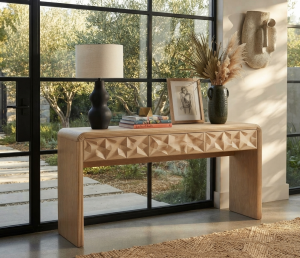
Introduction: A New Era of Chinese Furniture Design
Modern Chinese furniture represents a fascinating evolution in the global design world. Once known primarily for its ornate Ming and Qing dynasty influences, Chinese furniture has entered a new era—combining minimalist aesthetics, sustainable materials, and innovative craftsmanship. As global consumers search for stylish yet meaningful interiors, modern furniture from China has gained international recognition for its refined balance between tradition and modernity.

1. What Defines Modern Chinese Furniture?
A Fusion of Heritage and Modernism
Modern Chinese furniture design is not merely about sleek lines and neutral colors. It’s about the harmonious coexistence of historical identity and contemporary lifestyle. Designers draw inspiration from classical Chinese philosophies—like harmony (和) and balance (中庸)—to create furniture that feels both grounded and sophisticated.
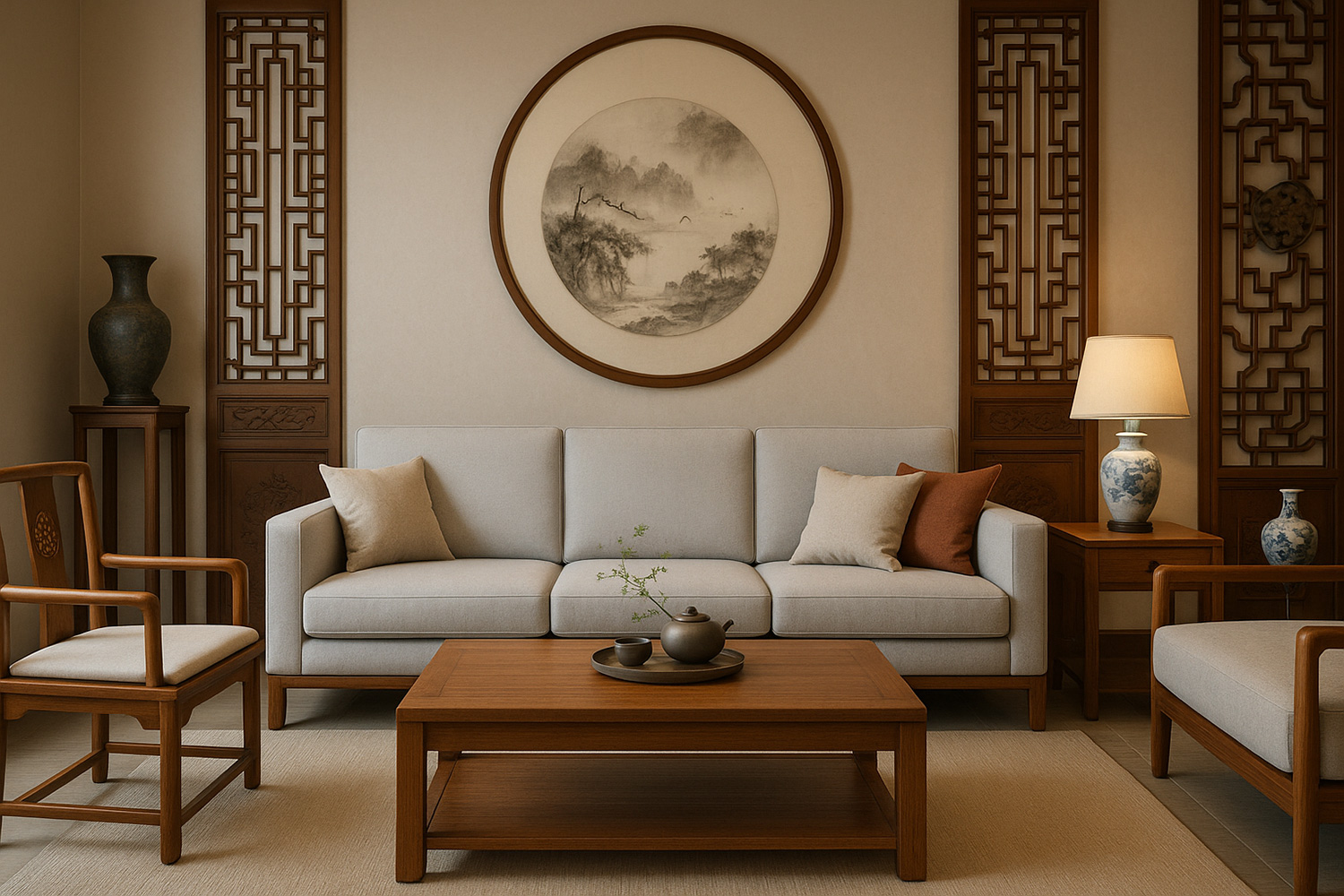
Traditional motifs such as curved edges, mortise-and-tenon joints, and symmetry are preserved, but reimagined with modern forms. The result is furniture that’s minimalist, durable, and deeply cultural—a living bridge between the past and the present.
2. Key Features of Chinese Modern Furniture
a. Minimalist Design with Cultural Essence
Modern Chinese furniture embodies the global trend of minimalism but retains its cultural character. Unlike Western minimalism, which often feels cold or industrial, Chinese modern furniture emphasizes warmth through natural materials like walnut, ash wood, and bamboo. Clean lines, smooth textures, and subtle curves create an atmosphere of calmness and balance.
b. Sustainable Materials and Eco-Friendly Production
China’s leading furniture manufacturers are increasingly adopting eco-conscious materials. Recycled wood, water-based paints, and bamboo composites are popular in modern furniture made in China. This commitment to sustainability not only meets international environmental standards but also resonates with modern consumers who value green living.
c. Smart Craftsmanship and Technology Integration
Modern furniture factories in China are integrating advanced CNC machinery, laser cutting, and AI-based production systems to ensure precision and efficiency. Yet, many still uphold traditional handcrafting techniques, especially for joints, carving, and finishing. This blend of innovation and heritage defines the unique charm of modern Chinese furniture.
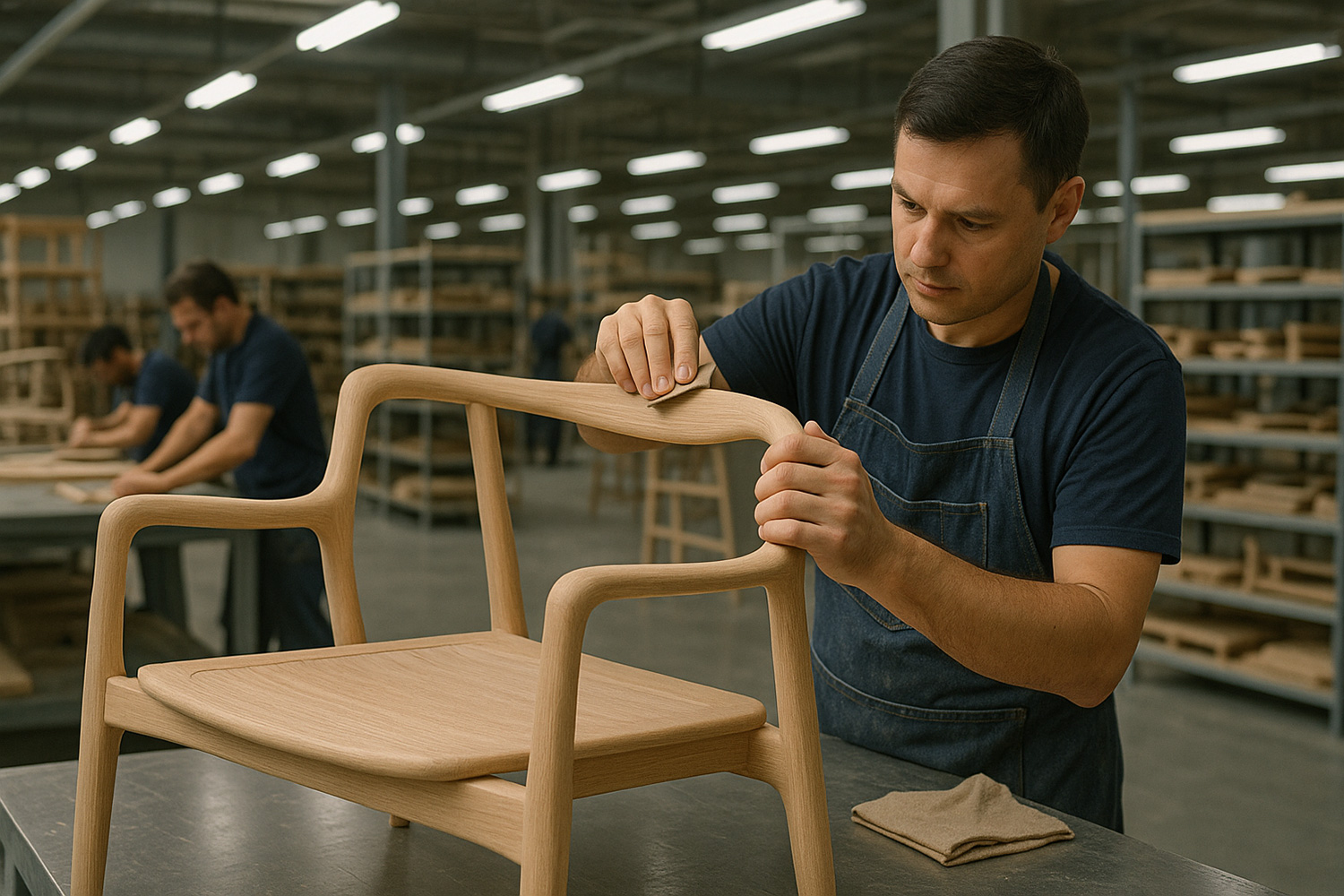
3. The Global Rise of Modern Furniture from China
In the past decade, China’s modern furniture industry has transformed from a low-cost manufacturing base into a design-driven powerhouse. Many international buyers now look to Chinese brands for high-quality modern furniture collections that rival those from Europe or North America.
a. Export Growth and Market Reach
From custom living room furniture to modern office sets, Chinese furniture exporters have built strong reputations in markets such as the United States, Australia, Europe, and Southeast Asia. The appeal lies in the fusion of modern design trends with Asian cultural identity, making these products stand out in a crowded global marketplace.
b. Collaborations with International Designers
Leading modern furniture companies in China often collaborate with European and Japanese designers to create globally appealing collections. These collaborations introduce cross-cultural aesthetics, enhancing both brand recognition and product diversity.
4. Popular Categories in Modern Chinese Furniture
a. Living Room Furniture
In modern Chinese interior design, the living room serves as a reflection of personal taste and harmony. Sofas, tea tables, and TV cabinets are designed with streamlined profiles, natural wood tones, and balanced proportions. Subtle touches of Chinese art—like lattice patterns or calligraphy-inspired forms—give them an unmistakable identity.
b. Bedroom Furniture
Chinese modern bedroom furniture focuses on comfort and tranquility. Beds, wardrobes, and nightstands often combine solid wood with soft fabric or leather accents. Neutral palettes—beige, gray, and warm brown—help create a relaxing environment influenced by Zen and feng shui principles.
c. Dining Furniture
Dining sets in modern Chinese style emphasize social connection and simplicity. Round tables, a hallmark of Chinese culture, are now being reinterpreted with glass tops, metal frames, or marble accents, blending Eastern symbolism with modern materiality.
d. Office and Commercial Furniture
As Chinese design expands into business environments, modern office furniture from China showcases ergonomic innovation and aesthetic elegance. Sleek workstations, modular desks, and minimalist meeting tables integrate smart technology for efficient workspaces.
5. Why Choose Modern Furniture from China?
a. Cost-Effective Without Compromising Quality
Thanks to its large-scale production capabilities and advanced supply chain, modern furniture made in China provides excellent value for money. Buyers can source high-quality designs at competitive prices, ideal for both retail and wholesale markets.
b. Customization Options
Chinese manufacturers excel in OEM and ODM services. Whether it’s a specific dimension, color finish, or branding detail, they can deliver customized modern furniture solutions tailored to international standards.
c. Craftsmanship and Design Diversity
China’s furniture industry encompasses everything from minimalist Scandinavian-inspired lines to luxury modern oriental collections. This diversity allows designers and importers to find products that fit various consumer lifestyles.
6. Leading Modern Chinese Furniture Brands and Manufacturers
Several brands have risen to prominence in the modern furniture scene in China, including:
Zaozuo (造作): Known for minimalist furniture blending Chinese elegance with Western simplicity.
U+ Design: Focuses on integrating smart functionality into modern interiors.
QM Furniture: A large-scale manufacturer offering affordable, eco-friendly home solutions.
HC28: Specializes in luxury modern Chinese furniture inspired by oriental philosophy and aesthetics.
Markor Furnishings: An internationally recognized brand combining innovation with sustainable practices.
- Maxwell: MAXWELL HOUSEHOLD is a professional manufacturer of small and medium-sized home furniture,Whole house customization and pet products furniture with 20 years’ production experience
These companies demonstrate how Chinese modern furniture has matured from mass production to high-end, design-oriented creation.
7. How to Source Modern Furniture from China
a. Trade Shows and Exhibitions
China hosts world-class events like the Canton Fair, CIFF (China International Furniture Fair), and Shenzhen Creative Week, where global buyers can explore the latest modern furniture collections and connect with manufacturers directly.
b. Online B2B Platforms
Platforms such as Alibaba, Made-in-China, and Global Sources offer easy access to verified modern furniture suppliers in China. Buyers can review catalogs, compare designs, and request quotations for bulk orders.
c. Direct Factory Partnerships
For long-term cooperation, working directly with modern furniture factories ensures better control over quality, delivery times, and customization. Many manufacturers offer professional design consultation and 3D rendering support for projects.
8. Trends Shaping the Future of Chinese Modern Furniture
a. Smart Home Integration
Smart furniture with USB ports, wireless charging, and adjustable lighting is becoming mainstream in China’s modern design scene, blending technology with comfort.
b. Sustainable and Recyclable Materials
Eco-friendly production will continue to define the industry. Expect to see more bamboo furniture, soy-based foams, and water-based finishes in future collections.
c. Return to Oriental Minimalism
Modern Chinese furniture will increasingly emphasize quiet luxury—using simple silhouettes, warm colors, and natural materials to express understated elegance rooted in Chinese culture.
9. Tips for Importers and Interior Designers
Check quality certifications such as ISO9001, FSC, and CARB compliance.
Request material samples before confirming large orders.
Choose factories with strong R&D departments to ensure long-term innovation.
Understand shipping logistics, including packaging, freight cost, and customs clearance.
Build partnerships with reliable suppliers for consistent design and quality support.
Conclusion: The Harmony of Tradition and Innovation
Modern Chinese furniture is more than a design trend—it’s a statement of how tradition can evolve gracefully into the modern world. As sustainability, minimalism, and cultural identity become central to global design, modern furniture from China continues to set new benchmarks for creativity and craftsmanship.
Whether for home interiors or commercial spaces, Chinese modern furniture offers a timeless combination of beauty, functionality, and heritage, proving that the future of modern living is deeply connected to cultural roots.