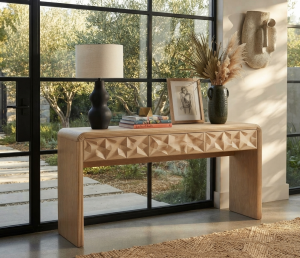
In today’s design-driven world, custom shelves have evolved from simple storage units into key elements of interior architecture. Whether you’re an interior designer sourcing for a client, a retailer outfitting your shop, or a homeowner planning a renovation, finding the right custom shelf manufacturer is crucial. The quality, craftsmanship, and reliability of your supplier can determine whether your project succeeds—or turns into a costly headache.
This guide will help you navigate the process of choosing a trustworthy custom shelf manufacturer, from evaluating materials and quality standards to communication tips and global sourcing strategies.

1. Why Partnering with a Reliable Custom Shelf Manufacturer Matters
A shelf may look simple, but behind every clean line and stable bracket lies precision engineering and skillful manufacturing. Working with a professional manufacturer brings multiple advantages:
Tailored Design Support: They can turn your sketches or concepts into 3D renderings and final products.
Material Expertise: Manufacturers understand which woods, metals, or finishes best suit your intended use.
Consistency in Quality: Industrial-grade equipment ensures accurate cutting, drilling, and finishing.
Cost Efficiency in Bulk Orders: Professional suppliers offer wholesale pricing, saving costs on large projects.
OEM & Branding Options: Many manufacturers allow you to add your logo, custom packaging, and labeling for resale.
In short, the right factory doesn’t just make shelves—they build trust and help you bring your design vision to life.
2. Factors to Consider When Choosing a Custom Shelf Manufacturer
Finding the perfect partner requires a careful balance between quality, cost, and communication. Below are the key factors you should evaluate:
a. Experience and Reputation
Always start by checking the manufacturer’s experience and project history. A company that has produced shelves for global clients or well-known furniture brands is more likely to maintain strict quality control. Look for:
Years in operation
Past projects and case studies
Client reviews and certifications
b. Material Selection and Craftsmanship
The best manufacturers offer a variety of materials and finishes, such as:
Solid wood: oak, walnut, ash, pine
Metal: steel, aluminum, or iron frames
Glass or acrylic: for modern and luxury interiors
Mixed materials: combining wood and metal for a balanced aesthetic
Request material samples and check their durability, surface texture, and coating quality. A professional factory should also have moisture control and UV-resistant coating processes for long-lasting results.
c. Design and Customization Capabilities
Not all manufacturers have in-house designers or CAD engineers. If you need help translating an idea into production, choose a factory that offers design consultation and drawing support.
Ask if they can:
Work from 3D renderings or technical drawings
Create prototypes before mass production
Customize dimensions, finishes, and accessories
d. Quality Control and Certifications
A professional supplier should have a documented quality management system. Check for certifications such as:
ISO 9001: Quality management
FSC: Sustainable wood sourcing
SGS or TÜV inspection reports
Also, confirm their inspection process, including pre-production samples, in-process checks, and final quality tests before shipment.
e. MOQ and Production Capacity
Depending on your order size, MOQ (Minimum Order Quantity) can make or break a deal. Small businesses or interior projects might prefer manufacturers offering flexible MOQ, while large retailers should verify that the factory can handle high-volume production within deadlines.
f. Lead Time and Delivery Options
Ask about average lead times for prototypes and bulk orders. Reliable factories provide clear timelines for design confirmation, material sourcing, production, and shipping.
If you’re ordering internationally, check:
Export experience
Packaging standards (corner protection, foam, or palletization)
Cooperation with shipping agents or freight forwarders
g. Communication and Service
Good communication prevents costly mistakes. Choose manufacturers who respond promptly, understand your design language, and provide detailed quotations. Factories with English-speaking sales teams and after-sales support are a plus, especially for overseas buyers.

3. Steps to Work Effectively with a Custom Shelf Manufacturer
Once you’ve shortlisted potential suppliers, follow these steps to ensure a smooth collaboration:
Step 1: Define Your Project Requirements
Before reaching out, prepare detailed specifications:
Dimensions and number of shelves
Preferred materials and finishes
Load-bearing requirements
Mounting style (floating, wall-mounted, or freestanding)
Estimated order quantity
Step 2: Request Quotation and Sample
Always ask for a quotation sheet with unit prices, material descriptions, lead time, and shipping terms. For quality assurance, order a prototype or sample unit before committing to bulk production.
Step 3: Sign a Clear Contract
A written agreement should specify:
Design drawings and revisions
Payment terms
Production and delivery schedule
Quality standards and inspection rights
Warranty or after-sales policy
Step 4: Monitor Production Progress
Stay in touch during production. Reputable factories provide photo or video updates of each stage—from cutting and assembling to packaging. This transparency ensures your expectations are met.
Step 5: Conduct Final Inspection
Before shipment, conduct an independent quality check or hire a third-party inspector. Verify color consistency, measurements, and packaging quality.
4. Benefits of Sourcing Custom Shelves from China
China remains one of the world’s most competitive markets for custom shelf manufacturing due to its strong supply chain and cost advantages. Partnering with a Chinese manufacturer offers several benefits:
Competitive Pricing: Efficient production systems and material sourcing keep costs low.
Advanced Equipment: CNC cutting, laser welding, and automated painting deliver precision craftsmanship.
Flexible Customization: Factories can produce one-of-a-kind designs or large commercial batches.
OEM/ODM Services: Branding, logo printing, and private label packaging options are widely available.
Global Export Experience: Chinese manufacturers ship worldwide and are familiar with CE, SGS, and ISO standards.
However, always vet your supplier carefully—request business licenses, visit the factory (if possible), or schedule a video inspection before signing contracts.
5. Common Mistakes to Avoid When Selecting a Manufacturer
Even experienced buyers can make avoidable errors. Watch out for these pitfalls:
Choosing by Price Alone: Cheap doesn’t always mean cost-effective. Poor-quality materials can lead to reorders and losses.
Ignoring Sample Quality: Always test samples for stability, finish, and craftsmanship before bulk orders.
Vague Specifications: Unclear instructions can result in incorrect dimensions or finishes.
Overlooking Communication Gaps: Misunderstandings in measurements or finishes can delay projects.
Skipping Inspection: Without final inspection, defects might go unnoticed until it’s too late.
6. Case Study: A Successful Custom Shelf Project
Imagine a retail chain launching new stores across Asia. They require durable, space-efficient shelving to match their modern brand image. After comparing several suppliers, they partnered with a Chinese custom shelf manufacturer offering:
Solid oak shelving with powder-coated metal frames
3D design mockups before mass production
45-day production cycle for 500 sets
Branded packaging and assembly manuals
The result? Consistent quality across stores, reduced costs by 25%, and faster rollout timelines. This success shows how a professional manufacturer can streamline both design and logistics for business expansion.
7. Tips for Building Long-Term Partnerships
Once you’ve found a reliable manufacturer, nurture that relationship for future success:
Order Regularly: Consistent business ensures priority service and better pricing.
Give Feedback: Manufacturers appreciate constructive comments for continuous improvement.
Visit Occasionally: On-site visits strengthen trust and help you understand production capacity.
Explore New Materials: Collaborate on innovative designs to stay ahead of trends.

Conclusion
Choosing the right custom shelf manufacturer is not just about finding someone who can produce what you need—it’s about building a partnership that combines quality, creativity, and reliability. From design consultation to final delivery, a trusted manufacturer ensures that every shelf reflects your brand’s identity and craftsmanship.
Whether you’re sourcing for residential interiors, commercial spaces, or retail environments, investing time in selecting the right partner will pay off through lasting products, smooth collaboration, and satisfied clients.
If you’re ready to bring your shelving ideas to life, start by reaching out to experienced custom shelf suppliers who understand both your design goals and business needs.