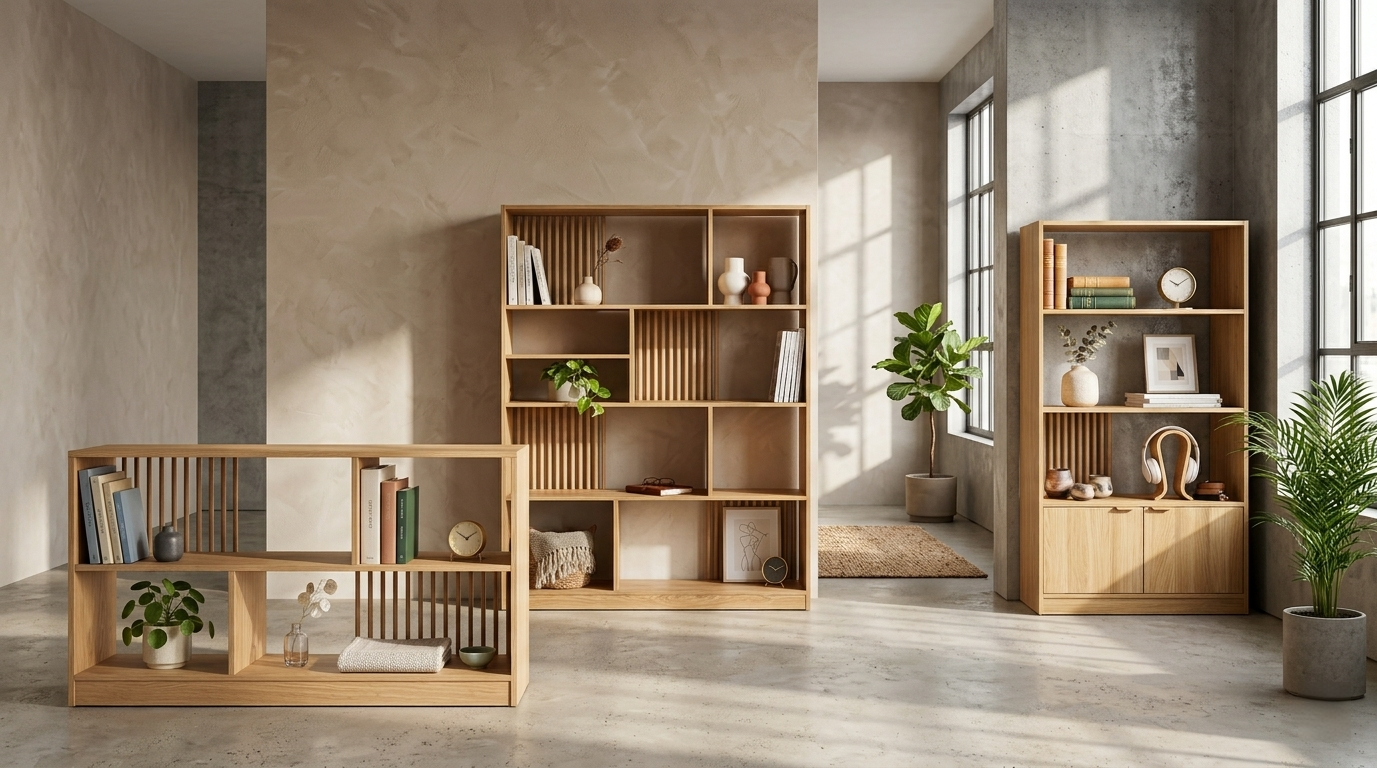
Modern wooden bookshelves are more than practical storage furniture. With clean lines, open compartments and natural wood finishes, they can become distinctive pieces within a contemporary furniture collection.
For furniture wholesalers, importers, retailers and private-label brands, choosing the right bookshelf design involves more than appearance. Product structure, material options, target market preferences, customization capabilities and manufacturing requirements all play important roles in product development.
In this guide, Maxwell explores the key factors to consider when sourcing modern wooden bookshelves for wholesale and OEM/ODM furniture projects.
1. Choose a Design That Combines Storage and Style
A well-designed bookshelf should offer practical storage while maintaining a clear visual identity.
Modern furniture collections often feature simple silhouettes, functional layouts and carefully selected decorative details. Open shelving is particularly versatile because it provides space for books, decorative accessories and everyday essentials without making the overall design feel visually heavy.
For furniture brands developing a contemporary collection, consider the following design features:
- Open compartments in different sizes
- Clean, straight edges and balanced proportions
- Decorative vertical slats or architectural details
- Natural wood tones that complement other furniture pieces
- A structure suitable for the intended room and usage requirements
A distinctive design can help a bookshelf stand out within a broader living room or home office collection.
2. Explore Natural Wood Finishes and Material Options
Material selection affects the appearance, production cost, durability and positioning of a bookshelf.
Depending on the product specification and target price range, manufacturers may work with different engineered wood panels, wood veneers or solid wood components. Each option has its own characteristics and should be evaluated according to the intended application.
When discussing materials with a potential manufacturing partner, consider:
- Surface appearance and wood-grain consistency
- Edge finishing and visible joint details
- Resistance to everyday wear
- Cleaning and maintenance requirements
- Target cost and production feasibility
The most suitable material depends on the design, performance requirements and target market. Confirm the actual material specifications with your supplier before finalizing a product.

3. Consider Open Storage and Decorative Slat Details
The structure of a bookshelf can influence both functionality and its overall appearance.
Open compartments provide flexible storage and display space, while vertical slat detailing adds rhythm and visual depth to a simple frame. Combining these elements can create a contemporary look without relying on excessive decorative features.
For buyers developing a coordinated furniture range, it is also worth considering how the bookshelf will work alongside other products, such as side tables, cabinets, TV units and console tables.
Consistent finishes, complementary proportions and a shared design language can help create a more cohesive furniture collection.
Explore a product example: Modern Wooden Bookshelf with Open Storage
This design combines open storage compartments, natural wood aesthetics and decorative vertical slats, offering a reference for contemporary furniture product development.
4. Match Product Specifications to Your Target Market
Different sales channels and markets may require different product configurations. Before moving into production, define the key specifications for your intended collection.
Important considerations include:
Product Dimensions: Determine suitable overall dimensions and compartment sizes based on the intended application and market requirements.
Material and Finish: Select materials and surface finishes that meet your target positioning and budget.
Structure and Stability: Review the frame, shelf support, assembly method and stability requirements. Appropriate testing and safety considerations should be confirmed for the intended market.
Packaging and Transportation: Discuss flat-pack or assembled packaging options, protective packaging and carton requirements with the manufacturer.
Product Documentation: Confirm the technical drawings, assembly instructions, labeling and other documentation required for your sales channels.
Clear specifications help reduce misunderstandings during sampling, quotation and mass production.

5. Work with a Manufacturer Offering OEM/ODM Customization
For furniture importers, wholesalers, retailers and private-label brands, OEM/ODM cooperation can provide greater flexibility than selecting only standard products.
Depending on the manufacturer’s capabilities, customization may include:
- Size Customization: Adjust overall dimensions and storage configurations.
- Material Customization: Discuss suitable materials according to product requirements.
- Color and Finish Customization: Develop finishes that match your furniture collection.
- Design Adjustments: Review selected structural or decorative modifications.
- Project Coordination: Confirm specifications, samples, packaging and production requirements before bulk orders.
When evaluating a manufacturer, request clear information about customization feasibility, minimum order quantities, sampling arrangements, quality control and production lead times.
These discussions help both parties establish realistic expectations before proceeding with a project.

6. Develop Your Next Bookshelf Collection with Maxwell
At Maxwell, we support B2B furniture projects for businesses seeking product customization and manufacturing cooperation.
Our OEM/ODM discussions can cover product dimensions, materials, colors and other specifications according to project requirements. We work with buyers to review their needs and discuss suitable solutions for their furniture collections.
Whether you are expanding an existing range or developing a new product concept, clear communication during the product development stage can help establish a practical foundation for bulk production.
Minimum Order Quantity (MOQ): 100 units.
If you are sourcing modern wooden bookshelves for wholesale, retail or private-label projects, contact Maxwell to discuss your target specifications and quotation requirements.
👉👉Contact Maxwell for a Wholesale Quote
Share your preferred dimensions, materials, colors and estimated order quantity to start a discussion about your project.

Frequently Asked Questions
Can wooden bookshelves be customized for wholesale orders?
Customization may include product dimensions, materials, colors and finishes, subject to the manufacturer’s capabilities and project specifications. Confirm the available options before ordering.
What should buyers consider when sourcing wooden bookshelves?
Buyers should evaluate the design, material specifications, structural stability, finish quality, packaging, minimum order quantity and supplier communication.
Does Maxwell support OEM/ODM wooden bookshelf projects?
Maxwell supports OEM/ODM customization discussions for B2B furniture projects, including size, material and color requirements. Final specifications are subject to project confirmation.
What is the MOQ for this bookshelf project?
The stated minimum order quantity for this product is 100 units. Please confirm any project-specific requirements with Maxwell before placing an order.