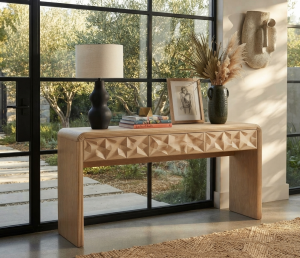
Custom Furniture: The Perfect Blend of Personalization and Quality
Custom furniture has become more than just a luxury—it’s a lifestyle choice. In today’s fast-paced world, homeowners seek unique, durable, and functional designs that express individuality. Unlike mass-produced pieces, custom furniture offers creative freedom, craftsmanship, and a lasting investment. Whether you’re designing a cozy apartment or a large villa, personalized furniture can turn your space into a reflection of who you are.
1. What Is Custom Furniture?
Custom furniture refers to pieces specifically made to meet individual preferences in style, size, color, and material. Instead of selecting pre-made designs, customers work with furniture makers to create unique products tailored to their needs. From handcrafted solid wood tables to modular sofas, every detail—from fabric to finish—is customizable.
Unlike factory-made products, custom furniture is not limited by standard templates. You can choose the exact dimensions to fit your space, select sustainable materials, and add details that match your aesthetic vision. This flexibility makes it ideal for both residential and commercial projects.
2. Why Choose Custom Furniture Over Ready-Made Pieces?
a. Perfect Fit for Any Space
Every home is different. With custom furniture, you can ensure that every inch of space is used efficiently. Whether it’s a corner sofa that fits perfectly in a small living room or a built-in wardrobe that matches your ceiling height, customization guarantees precision.
b. Personalized Style
Custom furniture reflects your taste. You can select modern, rustic, minimalist, or vintage designs that match your personality. Choosing fabrics, colors, and textures allows your home to express your identity.
c. Superior Quality
Most custom furniture manufacturers use high-quality materials and pay close attention to detail. Because each piece is handcrafted, the quality control is far superior to mass-produced alternatives. Durable joints, solid wood frames, and fine finishes ensure longevity.
d. Sustainable and Eco-Friendly
Custom pieces often use eco-conscious materials like reclaimed wood, bamboo, or non-toxic finishes. You can also request furniture made from FSC-certified lumber or locally sourced wood, reducing your carbon footprint.
e. Emotional Value
When you design something unique, it becomes part of your story. Many homeowners appreciate the emotional connection they feel toward a custom-made piece that fits their vision and lifestyle.
3. The Process of Creating Custom Furniture
Designing custom furniture involves several steps. Each stage ensures that your ideas become a functional and beautiful reality.
Step 1: Consultation and Concept
The process starts with a design consultation. During this stage, you discuss your needs, inspirations, and preferred materials. Designers often use mood boards, sketches, and 3D models to visualize the concept.
Step 2: Material Selection
Next, you choose the materials—wood type, fabric, metal accents, or glass details. This step determines both aesthetics and durability. For example, oak offers strength and a classic look, while walnut brings warmth and luxury.
Step 3: Design Approval
After you review the design, you can request modifications before production. This ensures that every detail—color, dimension, and finish—is exactly what you want.
Step 4: Production
Skilled craftsmen then bring the design to life. They cut, shape, and assemble the components with precision. Depending on the complexity, this stage may take several weeks.
Step 5: Finishing and Delivery
Finally, the furniture is polished, inspected, and delivered to your home. Some manufacturers offer installation services, especially for large or built-in items like cabinets or wardrobes.
4. Popular Types of Custom Furniture
Custom furniture covers a wide range of applications for both home and commercial interiors. Here are some popular categories:
a. Living Room Furniture
Custom sofas and sectionals
Coffee tables with hidden storage
TV stands and media consoles
Bookshelves and display cabinets

b. Bedroom Furniture
Custom-made bed frames and headboards
Nightstands and dressers
Built-in wardrobes
Storage benches

c. Dining Room Furniture
Extendable dining tables
Custom dining chairs and benches
Bar counters and cabinets
d. Office Furniture
Ergonomic desks and chairs
Reception counters
Storage shelves
Conference tables
e. Outdoor Furniture
Patio sets with weather-resistant materials
Garden benches and loungers
Outdoor dining tables and parasols
Every type of furniture can be adjusted to fit space, function, and theme. You can even combine materials like wood, metal, and rattan for a modern hybrid design.
5. Material and Design Trends in 2025
The furniture market continues to evolve. Here are the latest design trends shaping the custom furniture industry:
a. Natural and Sustainable Materials
Sustainability remains a major priority. Designers increasingly use reclaimed wood, bamboo, and recycled metals to create eco-friendly pieces.
b. Minimalism with Functionality
Simple, clean lines paired with hidden storage features define modern aesthetics. Functional design is key—especially for urban apartments.
c. Smart Furniture
Technology integration, such as wireless charging tables or adjustable desks, is gaining popularity. These innovations blend convenience with contemporary style.
d. Bold Colors and Textures
In 2025, earthy tones like terracotta, olive green, and sand beige are trending. Textured fabrics such as boucle, linen, and leather bring depth and comfort.
e. Mixed Materials
Designers mix materials—wood with metal, marble with glass—to create contrast and sophistication. These combinations highlight craftsmanship and innovation.
6. How to Choose the Right Custom Furniture Maker
Selecting the right manufacturer or craftsman is crucial for quality and satisfaction. Consider these factors:
a. Portfolio and Experience
Review past projects to evaluate craftsmanship, style, and consistency. A reliable company should offer examples of previous custom designs.
b. Material Sources
Ensure they use high-grade materials. Ask whether their wood is kiln-dried or sustainably sourced.
c. Customization Options
Some manufacturers only offer limited modifications. Choose one that allows full customization—from design sketches to final finishes.
d. Lead Time and Communication
Good communication ensures that your expectations are met. Discuss lead times and updates during production.
e. After-Sales Service
A trustworthy maker provides warranty, maintenance tips, and repair services to extend your furniture’s lifespan.

7. Maintenance Tips for Long-Lasting Custom Furniture
To preserve your custom furniture’s beauty and durability, follow these simple tips:
Clean regularly using a soft cloth to remove dust.
Avoid direct sunlight to prevent fading and cracking.
Use coasters to protect wood surfaces from stains.
Reapply protective finishes every few years.
Tighten screws or joints periodically to maintain stability.
Proper care ensures that your furniture remains elegant and functional for decades.
8. The Cost of Custom Furniture: Is It Worth It?
Custom furniture may cost more upfront, but it offers better long-term value. You’re paying for craftsmanship, quality materials, and uniqueness. Unlike cheap factory furniture that may wear out within a few years, a well-made custom piece can last a lifetime. Moreover, it adds resale value to your property by enhancing your home’s aesthetic appeal.
9. Future of Custom Furniture Industry
The future of custom furniture lies in digital design and sustainable production. With 3D modeling and augmented reality tools, customers can visualize their designs before production. Many companies are also adopting eco-friendly practices, such as using renewable materials and reducing waste.
Online customization platforms are becoming popular. They allow users to adjust dimensions, materials, and colors with real-time previews. This trend will continue to grow as consumers demand more control over their purchases.
10. Final Thoughts
Custom furniture transforms spaces from ordinary to extraordinary. It gives homeowners creative freedom, superior quality, and emotional satisfaction. Every piece tells a story—crafted with care, tailored to perfection, and built to last.
Whether you want a minimalist dining table, a luxurious sofa, or a practical office setup, custom furniture ensures that every detail aligns with your vision. Investing in personalized design not only elevates your interior aesthetics but also defines your identity through timeless craftsmanship.