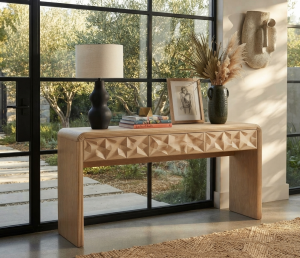
Floating shelves have become a significant trend in modern interior design, offering both style and practicality. Whether you want to showcase your favorite books, plants, or decorative pieces, custom floating shelves can help you create a sophisticated look while maximizing space. This guide will explore the benefits of custom floating shelves, how to choose the right ones for your home, and tips on installation.

Why Choose Custom Floating Shelves?
Floating shelves are a versatile and elegant storage solution for any room. Unlike traditional shelving units, floating shelves have no visible brackets, creating a minimalist, sleek design. Custom floating shelves go one step further by allowing you to choose the material, size, and design that best fit your space.
Here are a few key benefits of opting for custom floating shelves:
1. Space Optimization
Custom floating shelves can be designed to fit specific dimensions, making them ideal for small or unique spaces. Whether it’s a narrow hallway or an open corner of your living room, custom shelves can make the most of your available space without overcrowding.
2. Enhanced Aesthetic Appeal
Custom floating shelves are designed to blend seamlessly into the décor of any room. Whether you prefer a rustic, industrial, or modern design, custom floating shelves can be crafted to match your personal style. The lack of visible brackets gives the shelves a clean, modern appearance that enhances the overall aesthetic of your home.
3. Maximized Storage
One of the primary reasons homeowners choose floating shelves is for the added storage space they provide. Custom floating shelves can be designed with specific needs in mind, such as accommodating larger items like books, plants, or kitchen essentials. This level of customization ensures that the shelves are functional as well as stylish.
4. Versatility
Custom floating shelves are extremely versatile. They can be installed in various rooms, including the living room, kitchen, bathroom, and even the bedroom. From displaying decorative art to organizing your kitchen essentials, custom floating shelves can adapt to your needs.
Types of Floating Shelves
There are various types of floating shelves, each designed to serve different purposes and fit different aesthetics. When choosing custom floating shelves for your home, consider the following styles:
1. Wood Floating Shelves
Wood is the most popular material for floating shelves, offering a natural, warm look. Custom wood floating shelves can be made from different types of wood, including oak, walnut, maple, and reclaimed wood. Wood shelves are perfect for rustic, farmhouse, or contemporary designs.
2. Glass Floating Shelves
For a more modern and sleek appearance, glass floating shelves are an excellent option. Custom glass shelves provide a minimalist and sophisticated design, especially when paired with metal brackets. These shelves are ideal for displaying small decorative items or storing lightweight objects.
3. Metal Floating Shelves
Metal floating shelves offer a sleek, industrial look. Custom metal shelves can be designed to include unique finishes such as matte black, brushed steel, or gold. These shelves are ideal for modern or industrial-style interiors and can support heavier loads than other materials.
4. Floating Corner Shelves
Corner spaces are often overlooked when it comes to storage solutions, but custom floating corner shelves can turn these underutilized spaces into functional storage areas. Corner shelves are available in wood, metal, or glass and can be customized to suit your space’s specific needs.
5. Floating Wall Units
For those looking for more extensive storage, custom floating wall units are a great option. These larger, multi-shelf units can be designed to house electronics, books, or even kitchenware. Custom wall units can be made to fit any space and offer a modern and organized look.

How to Choose the Right Floating Shelves for Your Home
When selecting custom floating shelves for your home, several factors should be considered to ensure they complement your décor and meet your functional needs.
1. Material
The material you choose for your floating shelves will significantly impact their durability, appearance, and style. Wood offers a traditional and warm look, glass gives a modern and airy feel, and metal provides an industrial edge. Choose a material that aligns with your room’s theme and your storage needs.
2. Size and Dimensions
Before you order custom floating shelves, take precise measurements of the area where you want to install them. Custom floating shelves can be made to fit any space, but it’s essential to get the right dimensions to ensure a perfect fit. Consider both the width and depth of the shelves, as well as their height.
3. Weight Capacity
Different materials have different weight-bearing capacities. Wood and metal shelves tend to support heavier items, while glass shelves are better suited for lightweight decorations. Be sure to choose floating shelves with a weight capacity that matches the items you plan to store.
4. Design Style
Think about the overall aesthetic you want to achieve. Floating shelves come in various designs, from sleek and modern to rustic and cozy. Choose a style that complements your room’s existing décor, and don’t forget to consider color finishes and textures.
5. Purpose
Determine what you plan to store on the shelves. If you’re using them for decorative purposes, you may prefer smaller shelves with a simple design. If you need them for storage, opt for larger shelves that can handle heavier loads.
Installing Floating Shelves
Installing custom floating shelves may seem intimidating, but with the right tools and instructions, it can be a straightforward DIY project. Here are a few general steps to guide you:
1. Gather Your Tools
You’ll need a drill, level, measuring tape, pencil, and brackets (if not already included with the shelves).
2. Mark the Placement
Measure and mark where you want your floating shelves to go. Use a level to ensure the marks are straight.
3. Install Brackets
Most floating shelves are secured to the wall with hidden brackets. Depending on your wall material (drywall, concrete, etc.), use the appropriate anchors and screws to install the brackets.
4. Place the Shelves
Once the brackets are in place, simply slide the custom floating shelves onto the brackets. Make sure the shelves are secure and level.
Conclusion
Custom float shelves are an excellent way to combine style and functionality in your home. From maximizing space to enhancing the décor, these versatile shelves can be tailored to fit any room and design preference. With a wide range of materials and styles to choose from, custom float shelves offer endless possibilities to elevate your living space. Whether you opt for wood, glass, or metal, the right floating shelves can transform any area into a stylish, organized, and functional space.