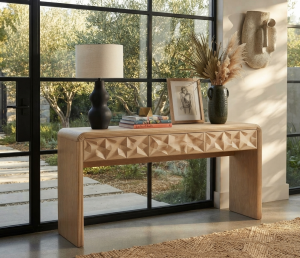
Choosing the Right Custom Furniture Materials for Your B2B Projects
In today’s competitive business landscape, the right furniture plays a crucial role in creating the ideal atmosphere for your commercial space. Whether you’re outfitting an office, hotel, restaurant, or retail space, custom furniture materials are the foundation of a successful design. The materials you choose for custom furniture impact everything from aesthetics to durability, functionality, and overall cost-effectiveness.
For B2B projects, selecting the right custom furniture materials can be a complex decision. It requires balancing factors such as budget, style, durability, maintenance, and sustainability. This guide will walk you through the key factors to consider when choosing custom furniture materials for your B2B projects, helping you make informed, cost-effective decisions.

1. The Importance of Custom Furniture Materials in B2B Projects
Furniture materials set the tone for the overall design of your commercial space. Whether you are outfitting a luxury hotel, a contemporary office, or a functional retail store, the materials you choose can significantly affect how your space feels and functions.
a. Durability and Longevity
One of the most important factors to consider when choosing custom furniture materials for B2B projects is durability. Furniture in commercial spaces must withstand heavy use and frequent wear and tear. For example, in office spaces, desks and chairs are used daily, while in restaurants or hotels, dining tables, seating, and storage pieces experience constant use by guests.
Materials like hardwoods (oak, maple, walnut) and metal are often preferred for their strength and ability to withstand heavy use. Choosing materials with high durability ensures that your furniture will last longer, reducing the need for replacements and minimizing long-term costs.
b. Aesthetic Appeal
The materials you select will influence the overall aesthetic of the space. Custom furniture materials should align with the brand identity and the atmosphere you want to create. For example, a sleek, minimalist office might use metal and glass, while a warm, rustic restaurant might feature reclaimed wood and natural fabrics.
Choosing materials that reflect your brand’s personality helps create a cohesive and inviting environment. Commercial spaces need to make a positive impression on clients, customers, and employees, and high-quality custom furniture materials can contribute significantly to this effort.

2. Key Custom Furniture Materials for B2B Projects
When selecting custom furniture materials, it’s essential to understand the options available. Here are some of the most commonly used materials for custom furniture in B2B projects:
a. Wood
Wood is a timeless and versatile material that’s widely used in custom furniture for both its beauty and functionality. There are several types of wood materials to consider, each with its own characteristics.
Hardwoods like oak, walnut, and maple are highly durable and resistant to wear. They are commonly used for office desks, conference tables, hotel furniture, and retail displays.
Softwoods such as pine and cedar are often more affordable but still offer decent durability. These are commonly used for lighter furniture like side tables, shelving units, and smaller retail displays.
Reclaimed Wood has become increasingly popular in custom furniture due to its eco-friendliness and unique aesthetic. It’s perfect for businesses focused on sustainability.
Why Choose Wood for Custom Furniture?
Natural and versatile material that can be stained, painted, or left natural.
Durable, long-lasting, and easy to maintain with proper care.
Offers a rich texture and a warm aesthetic, ideal for creating inviting environments.
b. Metal
Metal is another strong contender when it comes to custom furniture materials. It is used for frames, legs, bases, and supports in various types of furniture.
Steel and aluminum are often used for their strength, durability, and modern appearance. Steel is particularly popular for industrial and modern designs, while aluminum is lightweight and resistant to rust.
Brass and bronze are high-end options used for accents and decorative elements in luxury furniture.
Why Choose Metal for Custom Furniture?
Durability: Metal is highly resistant to damage, dents, and scratches.
Modern Aesthetic: Metal adds a sleek, contemporary look to any space.
Versatility: Available in various finishes (polished, matte, brushed) for different looks.
c. Upholstery Materials
Upholstery is crucial for custom furniture that needs to provide comfort, such as office chairs, hotel seating, and restaurant booths. The type of fabric you choose impacts both comfort and durability.
Leather is a high-end option known for its elegance and durability. It is commonly used in office furniture, executive chairs, and premium hospitality furniture.
Fabrics like cotton, linen, polyester, and velvet are also used for various applications. These are softer and offer a wide range of textures and patterns, but may require more maintenance than leather.
Performance Fabrics are designed for heavy-duty use and are often used in commercial settings. These fabrics are stain-resistant, durable, and easy to clean.
Why Choose Upholstery for Custom Furniture?
Upholstery provides comfort and is available in a wide variety of colors, patterns, and textures to complement your design.
Durable fabrics designed for heavy use ensure longevity in high-traffic areas.
Adds a tactile and aesthetic appeal to seating arrangements and furniture.

3. Cost Considerations for Custom Furniture Materials
When selecting custom furniture materials, cost is always a significant factor, especially for B2B projects. The materials you choose will directly affect the price of production, so understanding your budget is crucial to making informed decisions.
a. High-End vs. Affordable Materials
Hardwoods and premium metals tend to be more expensive due to their durability and aesthetic qualities. However, they offer long-term value, making them a good investment for commercial projects that require high-quality, durable furniture.
On the other hand, materials like MDF (medium-density fiberboard), plywood, and particleboard are more affordable options. While they may not have the same high-end appearance as solid wood, they can be used for more budget-friendly furniture without sacrificing functionality.
b. Long-Term Investment
Although custom furniture materials might come with a higher upfront cost, their durability and low maintenance make them a long-term investment. High-quality materials will last longer, saving you money on replacements and repairs in the future. Additionally, well-made custom furniture can add value to your business by improving the customer experience and overall brand perception.
4. Sourcing Custom Furniture Materials for B2B Projects
Finding the right supplier for custom furniture materials is essential for a smooth procurement process. The right supplier can ensure that you receive quality materials on time, within budget, and with the appropriate level of customization.
a. Direct from Manufacturers
For B2B projects, sourcing materials directly from manufacturers can save costs by cutting out intermediaries. Working directly with manufacturers allows businesses to specify exactly what they need, ensuring that the materials are tailored to the project requirements.
b. Work with Local Suppliers
In some cases, working with local suppliers can reduce shipping costs and delivery times. It also allows for easier communication and greater flexibility when making last-minute adjustments.
c. Sustainability Considerations
As sustainability becomes a key consideration for businesses, sourcing eco-friendly materials should be prioritized. Working with suppliers who offer certified FSC wood, recycled metals, or non-toxic fabrics can help ensure your furniture is made from sustainable sources.
5. Conclusion: Making the Right Choice for Your B2B Custom Furniture Projects
Selecting the right custom furniture materials for your B2B projects is a critical decision that impacts both the aesthetic appeal and functionality of your space. From durable wood and sleek metal to comfortable upholstery, each material has its unique advantages.
By considering factors such as durability, aesthetic appeal, cost, and sustainability, you can make an informed decision that meets the needs of your business and creates a lasting impression on your clients and employees.
Whether you’re outfitting an office, hotel, or retail store, choosing the right custom furniture materials ensures that your space not only looks good but also serves its purpose for years to come.
Key Takeaway
Choosing the right custom furniture materials is essential for creating functional and aesthetically pleasing commercial spaces. By carefully considering material durability, cost, and design flexibility, B2B businesses can invest in furniture that elevates the workspace, enhances brand identity, and maximizes long-term value.